Understand Your Odds – Even Without the Exact Numbers

Understand Your Odds – Even Without the Exact Numbers
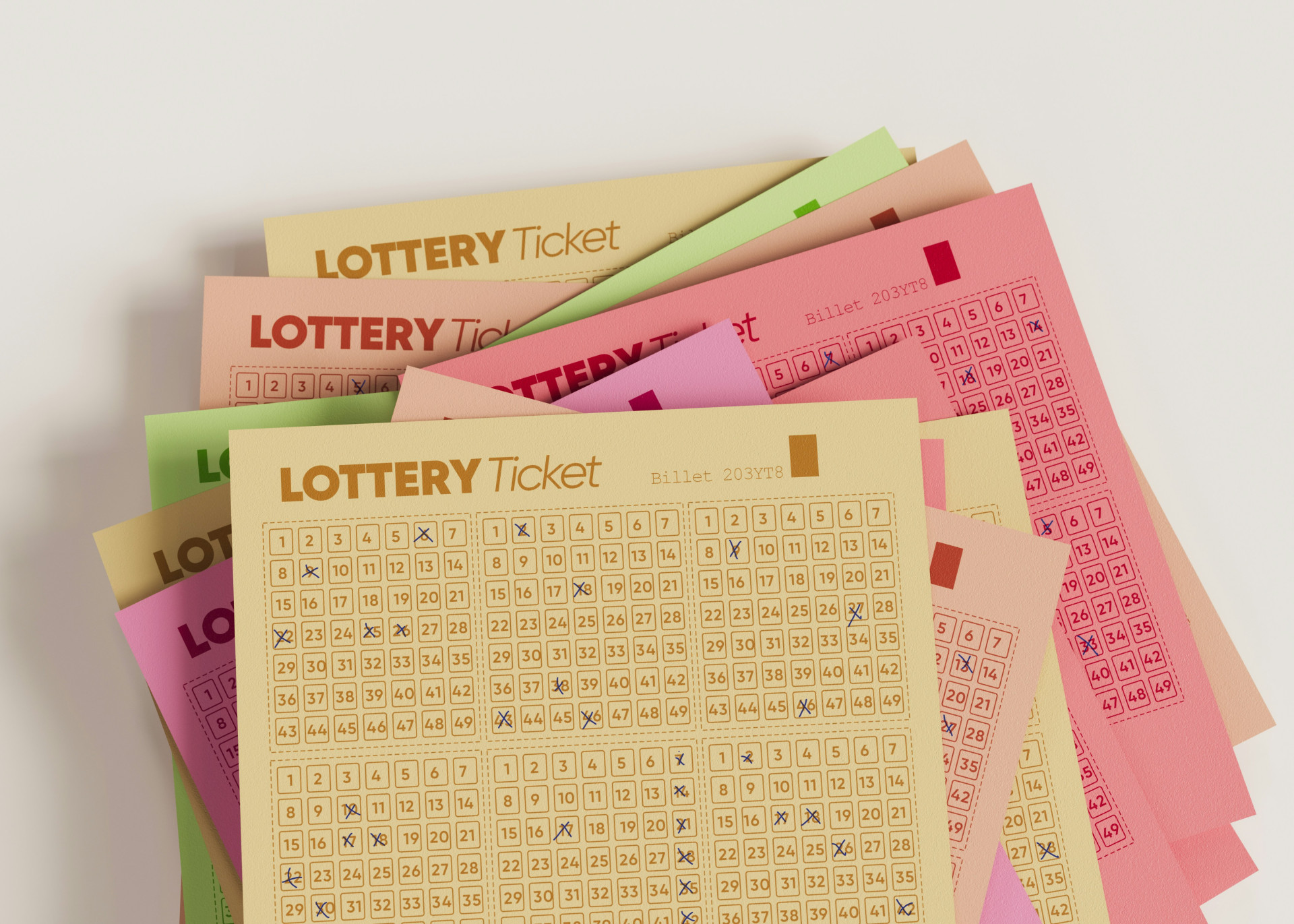
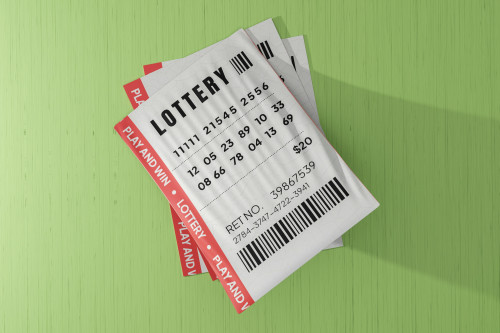
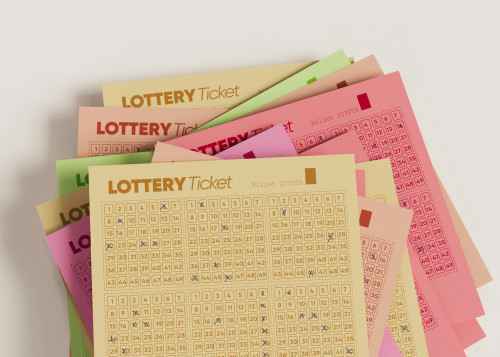
When you buy a lottery ticket, scratch a card, or enter a sweepstakes, it’s easy to get caught up in the dream of winning big. But what does it really mean when someone says the odds of winning are “very small”? And can you actually understand your chances without knowing the exact numbers? The answer is yes – because even without math formulas, you can get a clear sense of how probability works and why most games are designed so that the house almost always wins.
Probability in Everyday Life
Probability is simply about how often something happens compared to all the things that could happen. We use it all the time, often without realizing it. When you grab an umbrella because there’s a “high chance of rain,” you’re thinking in probabilities. The same goes for choosing the shortest line at the grocery store or guessing which team will win the Super Bowl.
In games of chance, the probabilities are just far more extreme. While you might have a 50/50 shot at picking the fastest checkout line, your chance of hitting a multimillion-dollar jackpot in a national lottery is so tiny that it’s almost invisible in real life. That doesn’t mean playing is pointless – it just means it’s important to understand what you’re really participating in.
Læs også:
Why Exact Numbers Aren’t Always Necessary
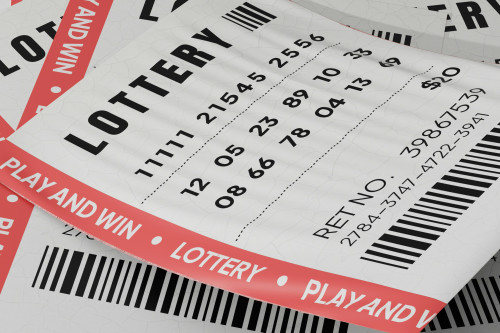
Many people get lost when they see odds like “1 in 10 million.” It’s hard to picture what that means. That’s why it can help to think in images instead. Imagine a packed football stadium with 10 million seats – and only one of those seats wins the prize. That picture gives you a better sense of how small the odds really are.
The key idea is that you don’t need to know the exact numbers to understand that the chances of winning big are extremely low. What matters most is knowing that the game operator always has an advantage – that’s how they can pay out prizes and still make a profit.
Small Wins vs. Big Dreams
Most games are designed with lots of small prizes and very few large ones. That setup keeps things exciting, even though the big wins are rare. When you win a small prize, you get a quick burst of excitement and hope – and that’s exactly what keeps many players coming back.
If you understand this, you can play more consciously. You’ll know that those small wins don’t change the bigger picture: the odds of walking away a millionaire are still incredibly slim.
How to Gauge Your Chances Without Doing the Math
Even if you don’t know the exact odds, you can use a few simple guidelines:
- The more participants, the lower your chance of winning. A nationwide drawing with millions of entries naturally gives you smaller odds than a local raffle.
- The bigger the prize, the harder it is to win. Large jackpots usually require hitting a very rare combination.
- Playing more often gives you more tries, not better odds. Each ticket is independent of the others. You increase the number of attempts, but not the likelihood that any single one will win.
Understanding these basics helps you see games of chance as entertainment rather than an investment strategy.
Play Responsibly
Once you grasp the fundamentals, it becomes clear that gambling is more about the experience than the outcome. It’s fun to dream, but it’s important to set limits – both for your money and your expectations. Think of it like going to a movie: you’re paying for the thrill, not for a guaranteed payoff.
If you play with that mindset, you can enjoy the excitement without disappointment. And if you ever happen to be that one in millions who wins, well – that’s just a lucky bonus.
Læs også: