Gambling: What Sets It Apart from Other Forms of Entertainment?


Gambling: What Sets It Apart from Other Forms of Entertainment?
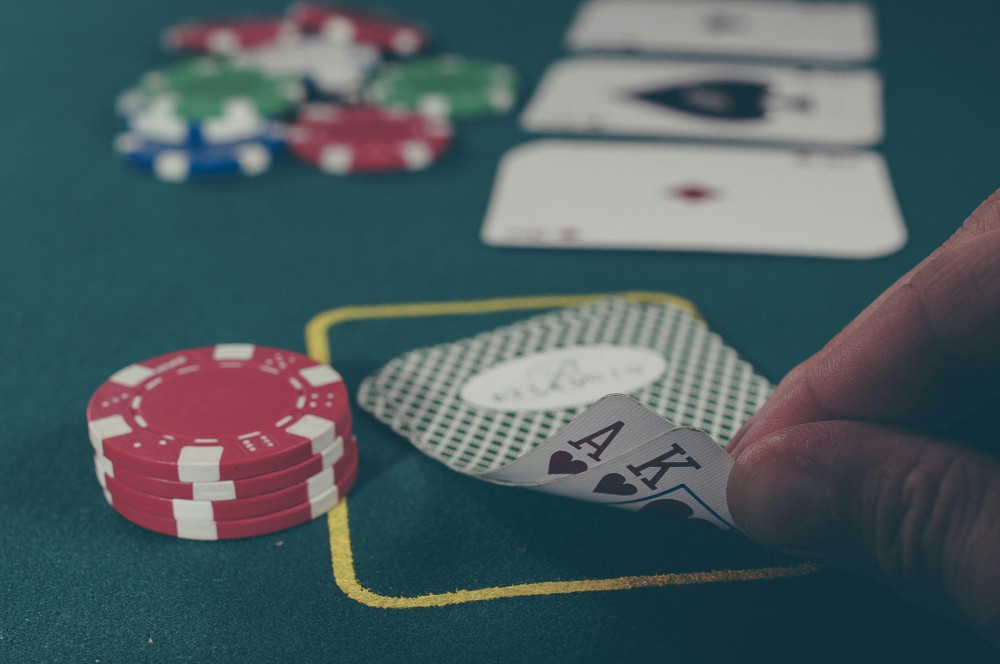
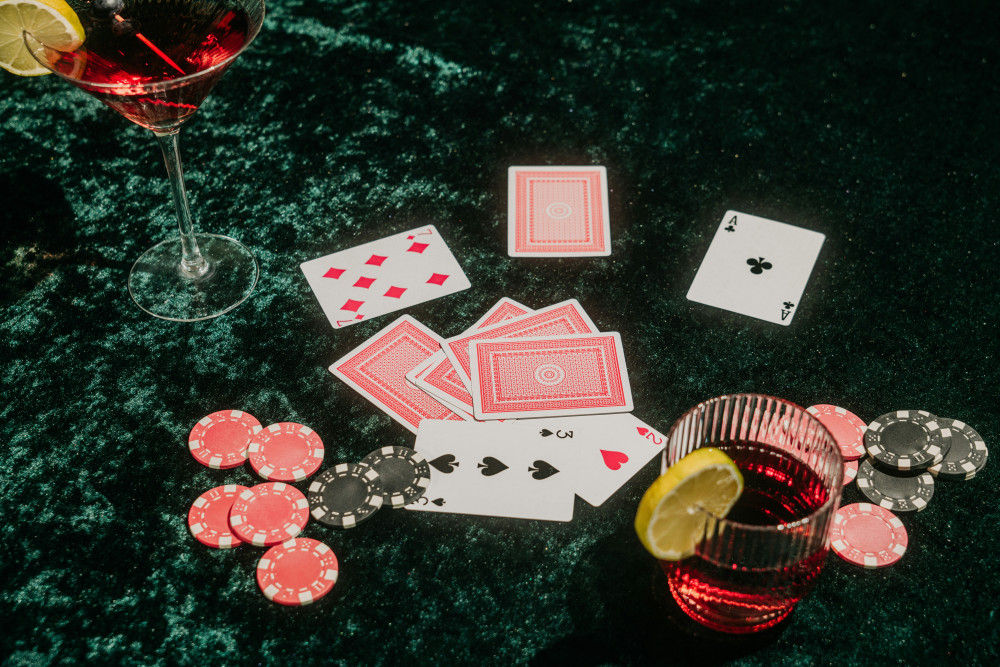
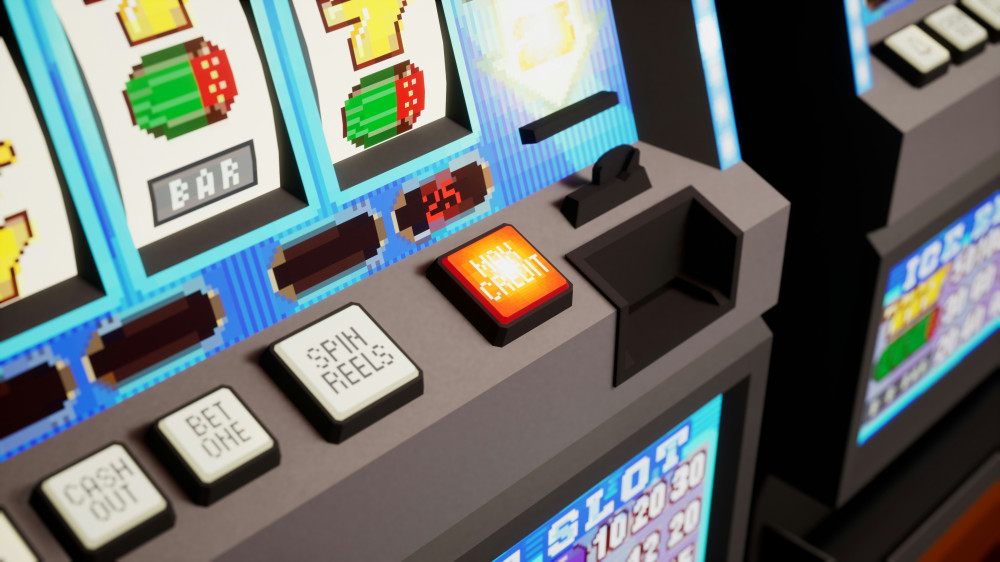
Gambling has been part of human culture for centuries – from card games in saloons to modern casinos in Las Vegas and online betting apps on our phones. But what exactly makes gambling different from other types of entertainment like movies, concerts, or video games? Why are so many people drawn to it, and what makes it both thrilling and risky at the same time?
Entertainment with a Financial Edge
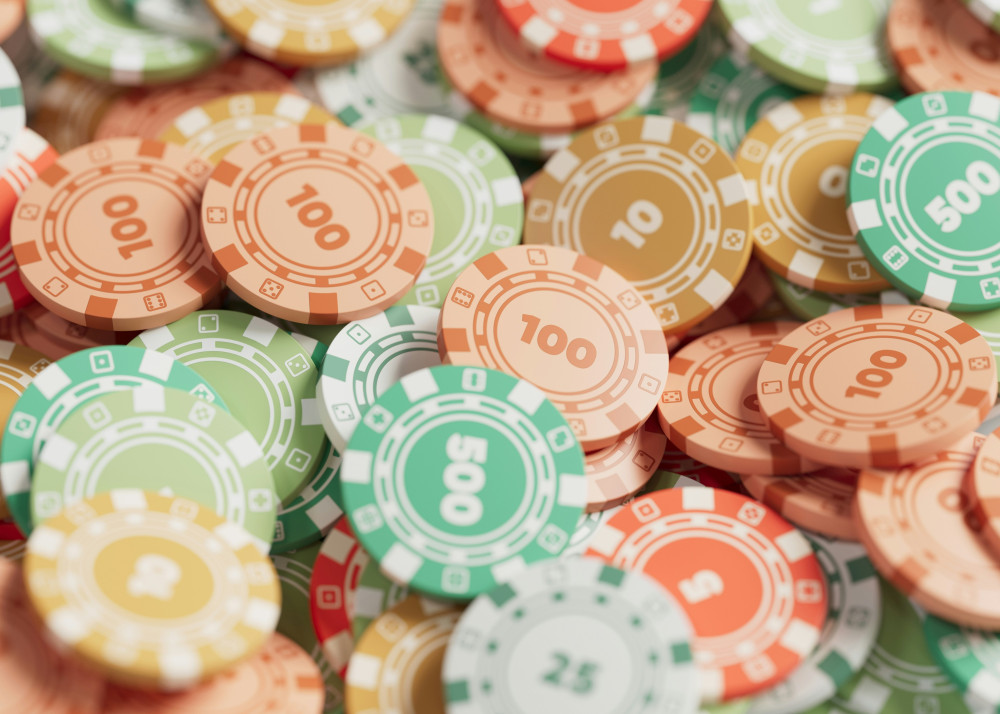
When you watch a movie or play a board game, the goal is usually to relax, have fun, or spend time with others. Gambling adds another layer: the chance to win money – and the risk of losing it. That financial element changes the experience completely. The excitement intensifies when something tangible is at stake, and the feeling of winning can bring a rush of joy, relief, and adrenaline.
This combination of entertainment and financial risk makes gambling unique. It’s not just a pastime; it’s an activity where the outcome can have real consequences for a person’s wallet – and sometimes for their emotions and behavior as well.
Læs også:


The Balance Between Control and Chance
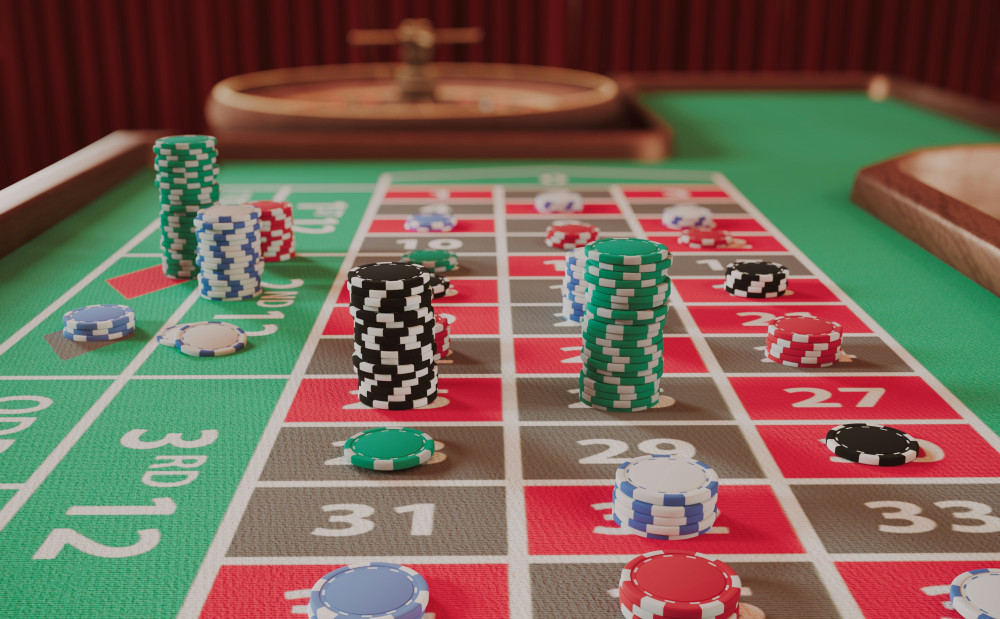
A key difference between gambling and other forms of entertainment lies in the balance between skill and luck. In games like poker or sports betting, knowledge and strategy can play a role, but chance is always part of the equation. It’s this unpredictability that creates the thrill.
For some, the appeal lies in the sense of control – the belief that skill or intuition can influence the outcome. For others, it’s the randomness itself that’s exciting – that moment when anything can happen. This tension between control and chaos sets gambling apart from most other entertainment, where the ending is already written.
The Psychology of the Gamble
Research shows that gambling activates the brain’s reward system in much the same way as other intense experiences – like sports, music, or love. But because the rewards are unpredictable, the brain becomes especially engaged. Psychologists call this “variable reinforcement”: you never know when the next win will come, and that uncertainty makes the activity even more compelling.
This mechanism helps explain why some people lose track of time or spend more than they intended. For most, gambling remains a fun and exciting diversion, but for some, it can become problematic if the entertainment turns into dependency.
Social Connection and Personal Escape
Gambling can be both a social and a solitary experience. Many associate it with camaraderie – playing poker with friends, joining an office betting pool, or watching a big game together with a wager on the line. At the same time, online gambling has made it easier than ever to play alone, anytime and anywhere.
This dual nature – both social and private – makes gambling flexible and accessible. It can be a hobby, a social ritual, or a personal challenge. But it also blurs the line between play and seriousness, especially in a digital world where the casino is always open.
Responsibility as Part of the Experience
Unlike most other forms of entertainment, gambling requires a special awareness of responsibility. Because money is involved, it’s important to set limits – both financial and personal. Many U.S. gambling operators now promote responsible gaming, offering tools that let players set deposit limits, take breaks, or seek help if gambling starts to take over.
Playing responsibly isn’t about removing the fun; it’s about maintaining control. When you know your limits, gambling can stay what it’s meant to be: an exciting form of entertainment, not a source of stress.
A Unique Kind of Fun
Gambling stands apart from other entertainment because it combines play, risk, and hope. It’s an experience where emotion, strategy, and chance meet – and where the outcome can swing between elation and disappointment. For many, that intensity is exactly what makes it enjoyable, as long as it’s done with care.
In the end, gambling isn’t better or worse than other forms of entertainment. It’s simply different – because it’s not just about time and enjoyment. It’s also about what you’re willing to put on the line.
Læs også: