From Handshakes to Algorithms: How Lotteries Have Evolved


From Handshakes to Algorithms: How Lotteries Have Evolved
Lotteries have always captured the human imagination. From the earliest drawings where a neutral hand pulled a slip of paper from a hat, to today’s digital systems powered by complex algorithms, the way we select winners has changed dramatically. But what has driven this evolution, and how do we ensure that modern lotteries remain fair and trustworthy?
From Handwritten Slips to Mechanical Drums
For centuries, lotteries were built on trust. Participants gathered, names were written on small pieces of paper, and a designated person—often a public official or community leader—drew the winner. The process was simple, but it left room for error and suspicion.
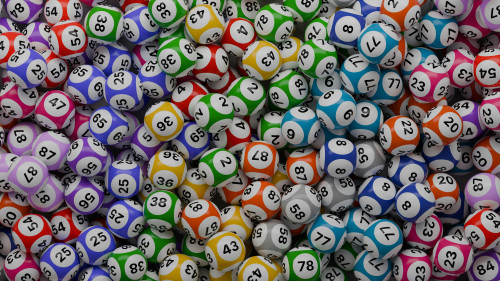
As lotteries became more widespread in the 19th and 20th centuries, the need for transparency grew. Mechanical drums filled with numbered balls became the standard. Drawings were conducted in public, allowing everyone to witness the process. The sight of the spinning drum and bouncing balls became a symbol of fairness and chance.
The Television Era: When Drawings Became Entertainment
When television entered American homes, lotteries transformed from administrative events into national spectacles. Millions tuned in to watch the numbered balls tumble inside the machine, waiting for the host to call out the winning combination. The drawing was no longer just about selecting winners—it was about shared excitement and hope.
To maintain credibility, every detail was scrutinized. Machines were tested, balls were weighed, and independent auditors oversaw the process. The precision itself became part of the show, reinforcing the idea that luck and integrity could coexist on live TV.
The Digital Revolution: From Machines to Algorithms
The rise of the internet brought lotteries into the digital age. Tickets could be purchased online, and drawings could happen without physical machines. But this shift raised a new question: how can players trust a drawing they can’t see?
The answer lies in mathematics and technology. Modern lotteries use Random Number Generators (RNGs)—algorithms designed to produce unpredictable results. The most advanced systems even rely on physical phenomena, such as atmospheric noise or quantum processes, to generate true randomness.
To ensure fairness, these algorithms are tested and certified by independent laboratories. Even though the drawing now happens behind a screen, the integrity of the process remains verifiable.
Transparency and Trust in the Digital Age
Technology has made lotteries faster and more efficient, but trust remains the cornerstone. Many lottery organizations now publish details about their randomization systems, and some are experimenting with blockchain technology to make results publicly verifiable.
At the same time, data security and responsible gaming have become central concerns. Lotteries must not only be random—they must also protect players’ personal information and comply with strict gaming regulations.
Læs også:
The Future of Lotteries: Artificial Intelligence and Openness
Looking ahead, the future of lotteries points toward even greater automation and transparency. Artificial intelligence could help detect irregularities or patterns that suggest tampering, while open-source algorithms may allow anyone to inspect how randomness is generated.
Yet, no matter how advanced the technology becomes, the essence of the lottery will remain unchanged: the thrill of a fair chance. From the handshake in a small-town hall to the algorithm running in the cloud, the lottery continues to embody the same timeless idea—the excitement that anything can happen.
Læs også: