Roulette Through the Ages: From Classic Tables to Modern Versions


Roulette Through the Ages: From Classic Tables to Modern Versions
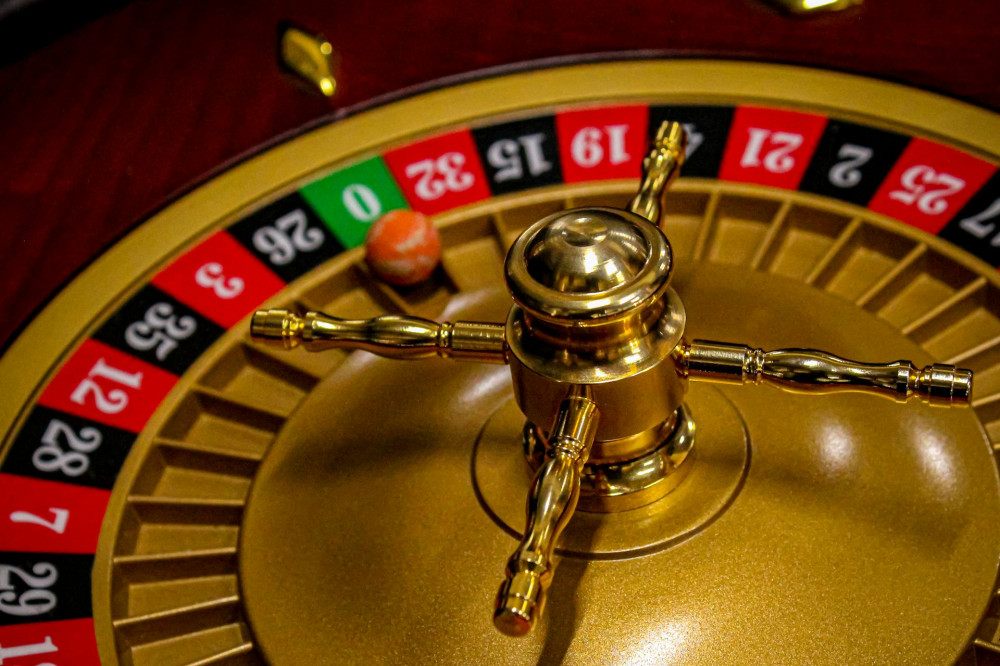
Roulette is one of the most iconic casino games in the world—a blend of chance, excitement, and timeless elegance. From the spinning wheels of 18th-century France to today’s digital versions on online platforms, roulette has evolved dramatically while keeping its simple essence intact: a wheel, a ball, and the hope that luck is on your side.
French Origins
The story of roulette begins in 18th-century France, where the game emerged as a mix of various gambling traditions and scientific curiosity. The French mathematician Blaise Pascal is often credited with inspiring the first roulette wheel through his experiments with perpetual motion. In the salons of Paris, the game quickly became a favorite among the aristocracy, featuring a wheel with both a single zero and a double zero.
In the 19th century, brothers François and Louis Blanc refined the game by removing the double zero, improving the odds for players. This version—known as European roulette—spread across the continent and remains the most popular variant in Europe today.
Læs også:



Crossing the Atlantic
When European immigrants brought roulette to the United States in the 1800s, a new version took shape: American roulette. The double zero was reintroduced, giving the house a greater edge. American casinos saw this as a way to increase profitability, and the version became standard in gambling hubs like Las Vegas and Atlantic City.
The difference between the two versions may seem small, but it has a major impact on the odds. In European roulette, the house edge is about 2.7%, while in American roulette it rises to 5.26%. For that reason, experienced players often prefer the European wheel when they can find it.
From Monte Carlo to Las Vegas
Roulette became a symbol of glamour and sophistication when the Monte Carlo Casino opened in Monaco in the mid-1800s. The game came to represent luxury, champagne, and high stakes. In the 20th century, Las Vegas took over as the global capital of casino entertainment, and roulette became a fixture on its glittering floors.
The tables grew larger, the rules more standardized, and the game became a pop culture icon—featured in countless films and novels as the ultimate symbol of risk and reward. The spinning wheel came to embody both the thrill of chance and the dream of fortune.
The Digital Revolution
With the rise of the internet in the 1990s, roulette made the leap from physical tables to digital screens. Online casinos allowed players to enjoy the game from home, and technology quickly advanced. Today, there are countless variations: live roulette, where a real dealer is streamed via video; automatic roulette, powered by mechanical wheels; and 3D roulette, offering a realistic experience on computers and mobile devices.
Modern versions have introduced new features such as faster rounds, special side bets, and interactive interfaces. Live casinos have also revived the social aspect of the game, allowing players to chat with dealers and fellow participants—almost like sitting at a real table.
Strategies and Myths
Roulette has always inspired strategies and betting systems, from Martingale to Fibonacci. Many players look for patterns in the ball’s movement or follow specific betting sequences. But in the end, roulette is a game of pure chance. The wheel has no memory, and every spin is independent of the last.
Still, the fascination endures. For many, roulette isn’t just about winning—it’s about the experience: the sound of the spinning ball, the anticipation as it slows, and the feeling of being part of a tradition that has lasted for centuries.
The Future of Roulette
Today, innovation continues. Virtual reality and augmented reality are beginning to enter the casino world, and the roulette of the future may blend physical realism with digital creativity. No matter how technology evolves, the heart of the game will remain the same: a simple concept that has captured human imagination for more than 300 years.
Roulette is more than a game—it’s a piece of cultural history that has adapted to every new era without losing its soul.
Læs også: