Cognitive Traps in Casino Games: How to Recognize and Avoid Them

Cognitive Traps in Casino Games: How to Recognize and Avoid Them
Casino games are not just about luck—they’re also about psychology. Behind the flashing lights, upbeat sounds, and quick wins lie a series of cognitive traps that can lead even experienced players to make irrational decisions. Understanding these mental mechanisms is key to playing responsibly and keeping control. Here’s a look at the most common cognitive traps—and how to avoid falling into them.
The Illusion of Control
One of the most widespread traps in casino gaming is the illusion of control—the belief that you can influence the outcome of a game that’s purely based on chance. Many players feel they can “time” a slot machine spin or that their choice of numbers in roulette somehow affects the result.
In reality, outcomes are determined by randomness and mathematics. Games like roulette, blackjack, and slot machines are designed so that the house always has a statistical edge. Reminding yourself of this can help reduce the feeling of control and lower the risk of overplaying.
The Gambler’s Fallacy – Believing Luck “Has to” Change
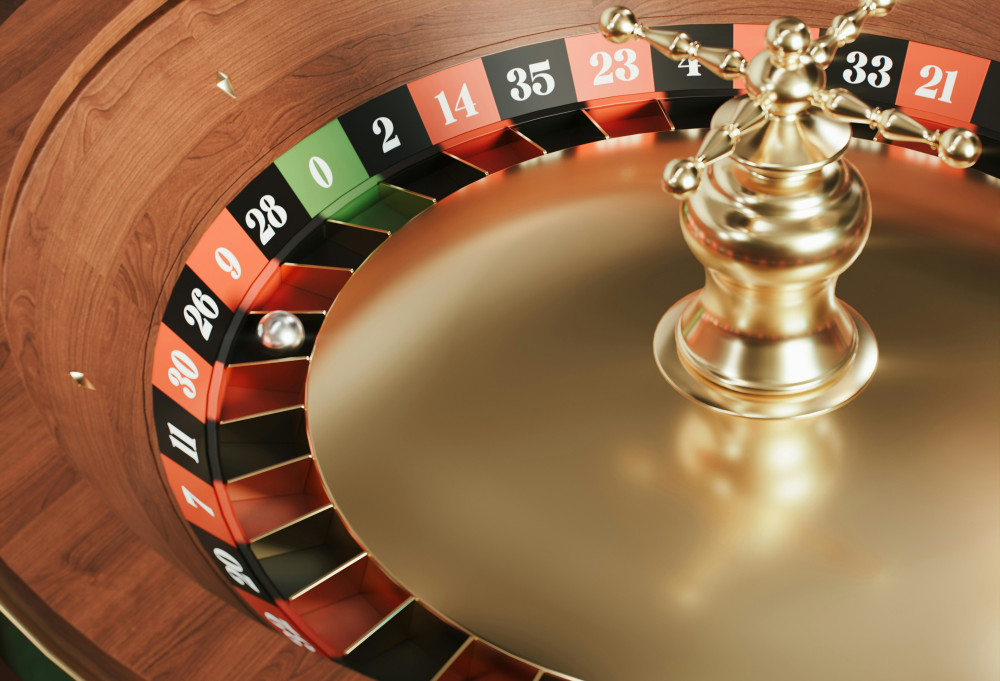
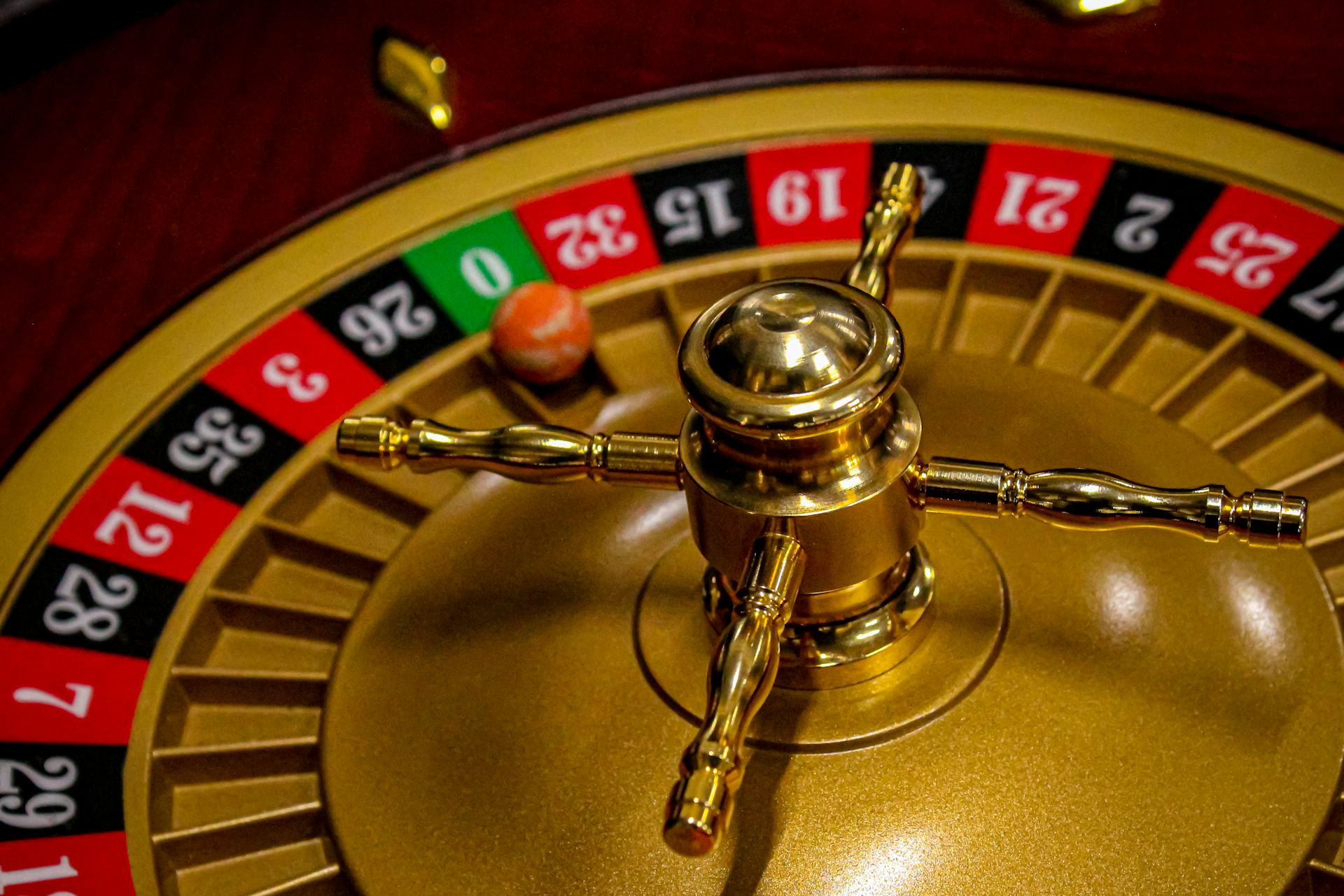
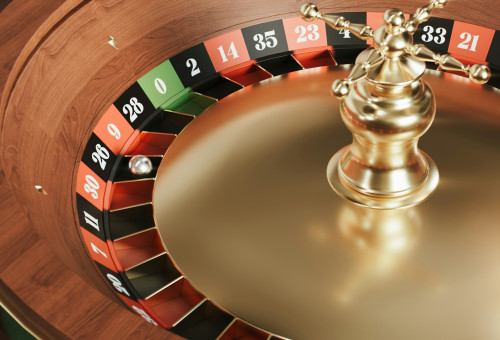
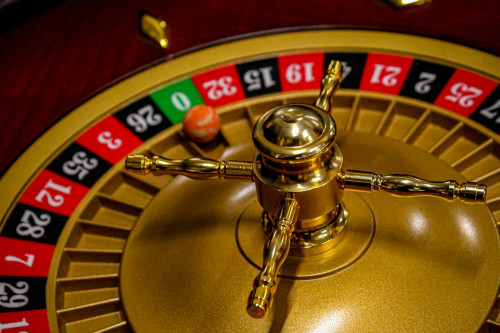
Imagine the roulette wheel landing on black five times in a row. Many players think, “Red must be next.” That’s a classic example of the gambler’s fallacy—the mistaken belief that past outcomes influence future ones in a random game.
In truth, each spin has exactly the same probability as the last. Understanding this can help you avoid chasing losses in the hope that your luck will “turn around.” It won’t—probabilities don’t change, no matter how many times you’ve lost.
Confirmation Bias – Seeing Only What You Want to See
Humans tend to notice information that confirms what they already believe. In casino games, that means remembering wins more vividly than losses. You might tell friends about your big jackpot but forget the many small losses that came before it.
This confirmation bias can create a distorted view of how well you’re actually doing. A good strategy is to keep a record of both wins and losses—on paper or digitally. Seeing the numbers clearly gives you a more realistic picture of your gambling outcomes.
The Near-Miss Effect – When “Almost Winning” Feels Like Success
Slot machines and other casino games often exploit the near-miss effect—the feeling that you “almost won.” When two jackpot symbols appear and the third just misses, your brain reacts almost as if you had actually won.
This mechanism keeps players engaged because the brain interprets “almost” as being close to success. But in reality, it’s just part of the game’s design to keep you playing. Recognizing this feeling as a psychological reaction—not a sign of luck—can help you stop before you lose more.
Læs også:

Loss Aversion – Chasing Losses Instead of Accepting Them
People hate losing more than they enjoy winning. This loss aversion leads many players to keep gambling in an attempt to “win back” what they’ve lost. That can quickly spiral into betting larger and larger amounts in hopes of breaking even.
A smart countermeasure is to set clear limits on how much time and money you’re willing to spend—and stick to them, no matter what happens. Accepting a loss as part of the game is an essential part of responsible gambling.
Overconfidence – Overestimating Your Skills
Some players believe they can “beat the system” through strategy or experience. In games like poker, skill does play a role, but in most casino games, outcomes are purely random. Overconfidence can lead to taking bigger risks than you should.
If you play for entertainment, do so with the understanding that you can’t predict or control the results. That mindset makes the experience more relaxed—and far less risky.
How to Avoid Cognitive Traps
Knowing the traps is the first step. Acting on that knowledge is the next. Here are some simple tips:
- Set time and money limits before you start playing—and stop when you reach them.
- Take breaks to stay clear-headed and avoid impulsive decisions.
- Play for fun, not as a way to make money.
- Reach out for help if gambling starts to take up too much of your time or thoughts.
Casino games can be exciting and enjoyable—but only when you stay in control. By understanding the psychological mechanisms behind the games, you can make more conscious choices and avoid letting your mind play tricks on you.
Læs også: