Understanding the Odds: How to Avoid Overestimating Your Chances in Roulette

Understanding the Odds: How to Avoid Overestimating Your Chances in Roulette
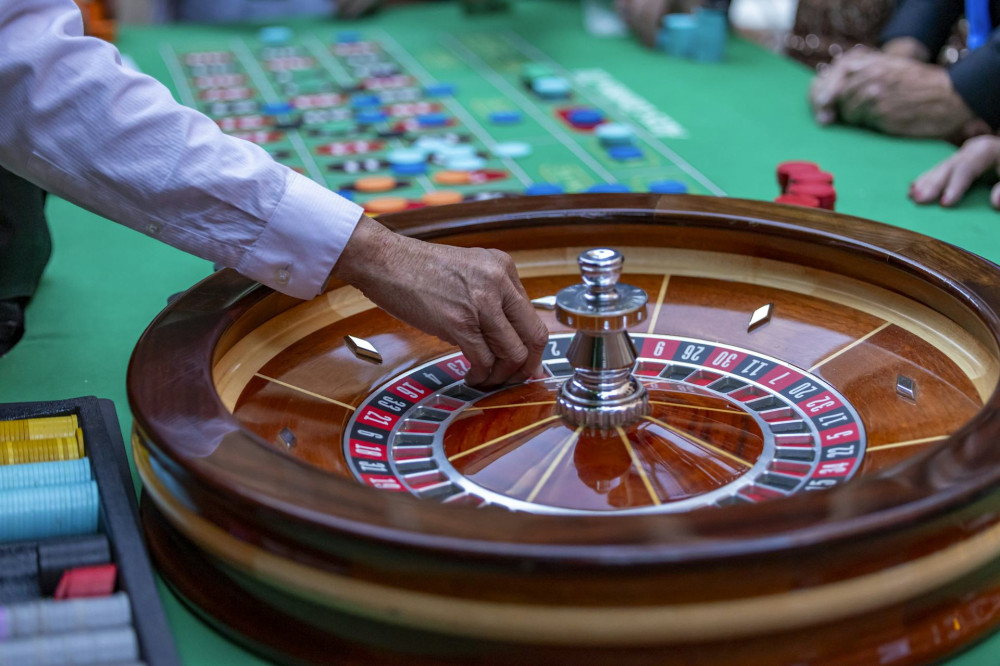
Roulette is one of the most recognizable games in any casino. The spinning wheel, the bouncing ball, and the suspense as it slows down have captivated players for generations. But behind the glamour lies a simple mathematical truth: the house always has the edge. Many players overestimate their chances because the game feels random and fair—but the odds tell a different story. Here’s a guide to understanding roulette probabilities and avoiding the common traps that make players believe they can beat the system.
The Wheel and the House Edge
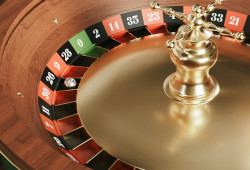
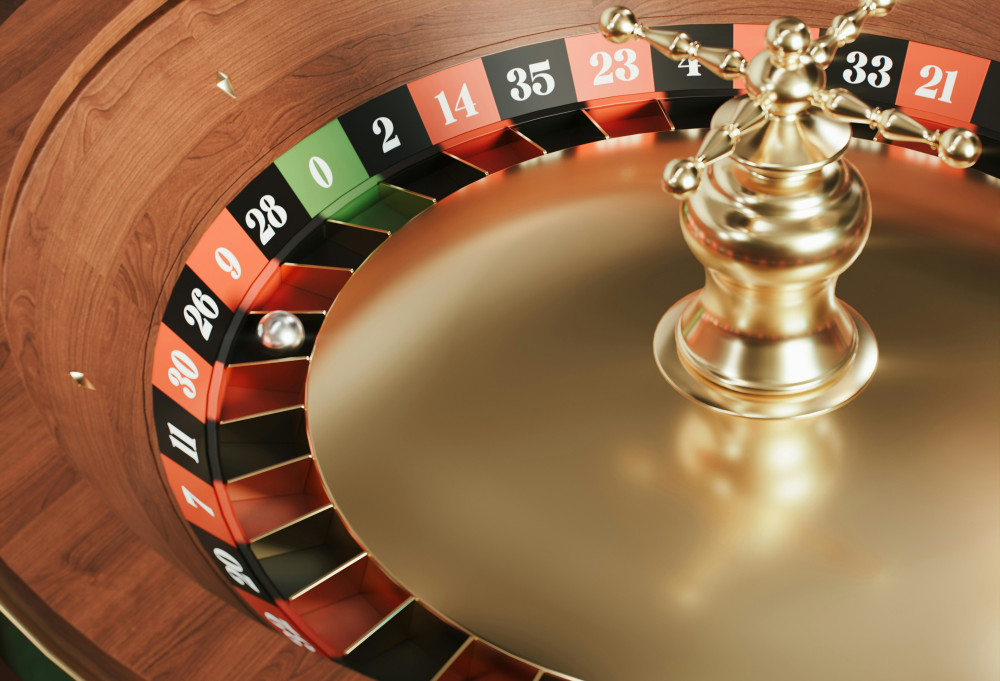
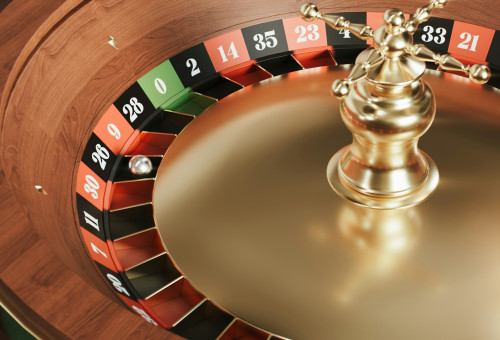
An American roulette wheel has 38 pockets: numbers 1 through 36, plus a single zero (0) and a double zero (00). Those two green pockets are what give the casino its advantage. If the wheel had no zeros, the game would be perfectly fair. But because of them, the probability of winning an even-money bet—like red/black or odd/even—is not 50%, but 18 out of 38, or about 47.4%. That small difference is enough to ensure the house wins over time.
In contrast, European roulette has only one zero, which improves the odds slightly for the player. If you ever have the choice, the European version is the better option.
Probability and Expectation – The Math Behind the Game
Each spin of the roulette wheel is independent. The ball has no memory, and the wheel doesn’t “remember” where it landed last time. That means even if red has come up five times in a row, the chance of red or black on the next spin remains exactly the same.
A key concept here is expected value—the average outcome you can expect over many bets. For an even-money bet in American roulette, you win one unit 18 out of 38 times and lose one unit 20 out of 38 times. That works out to an average loss of about 5.26% per bet. It may not sound like much, but over hundreds of spins, it adds up.
The Myth of the “Foolproof Strategy”
Many players try to overcome the house edge with betting systems like the Martingale, where you double your bet after every loss until you win. In theory, one win recovers all previous losses. In practice, you’ll quickly hit the table’s betting limit—or your own financial limit—long before that win arrives.
Other systems, such as the Fibonacci or D’Alembert, promise a more “controlled” approach, but they don’t change the underlying math. The probabilities remain the same. No betting system can erase the house edge.
Læs også:

The Psychological Trap – Why We Think We Can Predict Randomness
Roulette plays on our natural tendency to look for patterns. When the ball lands on black several times in a row, many players think “red is due.” This is known as the gambler’s fallacy—the mistaken belief that past outcomes influence future ones in a random game.
In reality, each spin is independent. The chance of red is always 18 out of 38, no matter what happened before. Understanding and accepting this is key to playing responsibly—and to keeping emotions from driving your decisions.
Playing with Realistic Expectations
Roulette can be fun if you treat it for what it is: a game of chance. Here are a few tips to keep your play in perspective:
- Set a budget—and stick to it. Think of it as paying for entertainment, not investing for profit.
- Choose European roulette when available—it offers better odds than the American version.
- Avoid betting systems—they don’t change the math, only the pace of your losses.
- Take breaks—the game is designed to keep you engaged, so step away regularly.
- Quit while it’s fun—the best time to leave the table is before you start chasing losses.
Roulette as Entertainment – Not a Strategy
Roulette should be enjoyed for its excitement, not as a path to profit. When you understand the odds, it’s easier to play with a clear mind and realistic expectations. The house will always win in the long run—but you can still come out ahead in experience if you play with awareness, moderation, and respect for the mathematics behind the wheel.
Læs også: