The Art of Bluffing: How to Do It Convincingly and Strategically

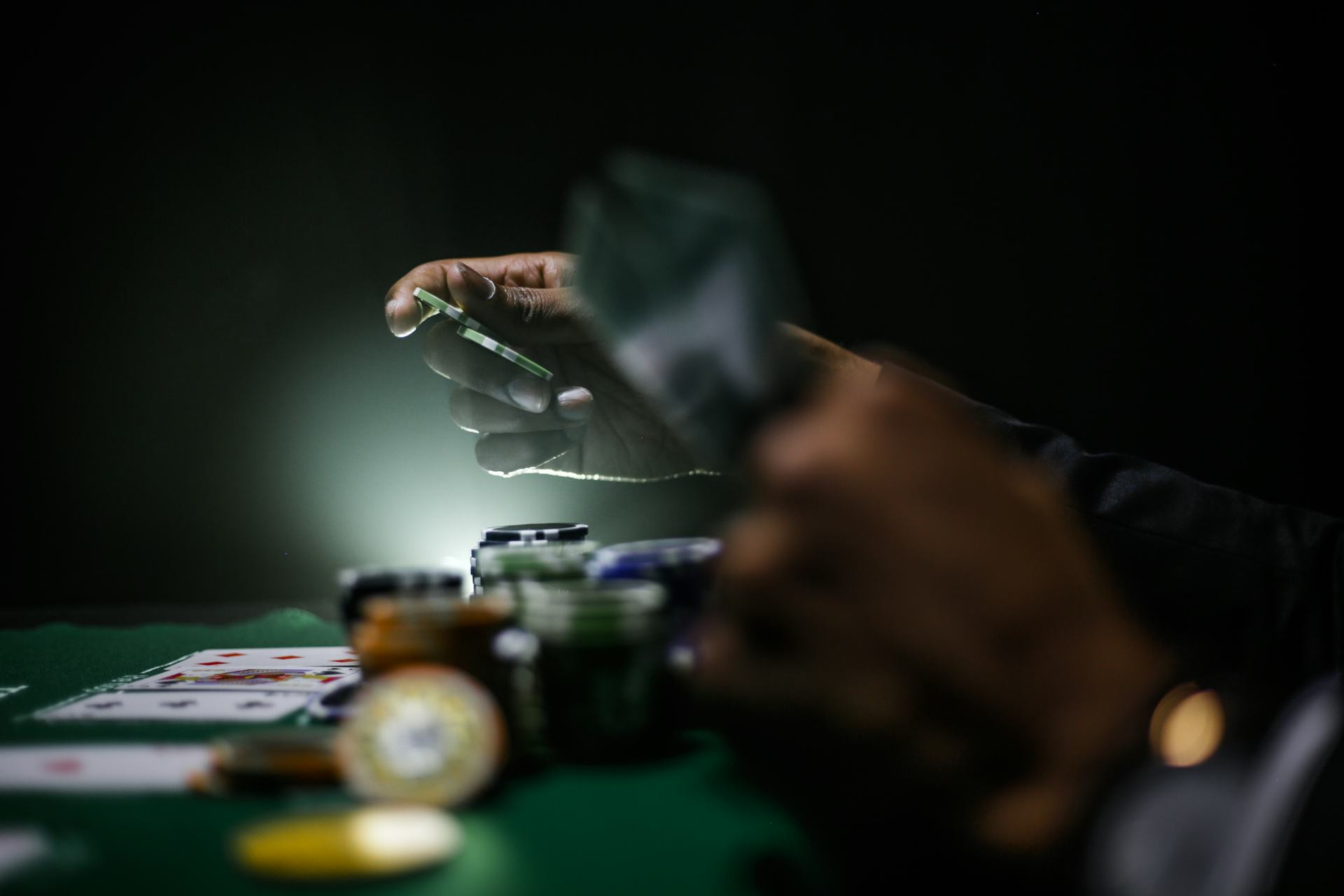
The Art of Bluffing: How to Do It Convincingly and Strategically
Bluffing is one of the most fascinating and nerve-wracking aspects of poker. It’s where the game shifts from math and probability to psychology and storytelling. A well-timed bluff can turn a losing hand into a winning one—but a poorly executed bluff can cost you dearly. The art of bluffing isn’t about lying; it’s about crafting a believable narrative that your opponents buy into. Here’s how to do it convincingly and strategically.
What Is a Bluff—and Why Does It Work?
A bluff is when you make your opponents believe you have a stronger hand than you actually do. It works because poker isn’t just about cards—it’s about people. Every player is trying to read the others, and in that web of signals and interpretations lies the opportunity to deceive.
A good bluff plays on your opponents’ expectations. If you’ve been playing tight and conservative, a sudden aggressive move will seem credible. On the other hand, if you bluff too often, you’ll quickly lose credibility. Bluffing is as much about timing and consistency as it is about courage.
Choosing the Right Moment
Bluffing should never be your default move—it’s a strategic weapon, not a habit. The best players bluff less often than you might think, but when they do, it’s with precision and purpose.
Here are some situations where a bluff can be effective:
- When you’re in position – Acting last gives you more information about your opponents’ actions, helping you judge whether a bluff will succeed.
- When the board tells a believable story – If the community cards suggest a strong hand (like a flush or straight), you can represent it even if you don’t have it.
- When your opponent shows weakness – Repeated checks or hesitant bets can signal uncertainty, which you can exploit.
A bluff should always make sense within the context of how you’ve played the hand so far. If your story doesn’t add up, experienced players will see right through it.
Reading Your Opponents
Bluffing isn’t just about what you do—it’s about who you’re doing it against. Some players fold easily, while others love to call just to “catch” a bluff. Learn to observe:
- Playing style – Cautious players are easier to bluff than aggressive ones.
- Patterns – How do they act when they’re strong? When they’re weak?
- Timing and behavior – Even online, bet sizing and timing can reveal a lot.
The better you understand your opponents, the more accurately you can choose when a bluff is worth attempting.
Læs også:

Telling a Believable Story
At its core, a bluff is a story. You’re telling your opponents that you have a certain hand, and everything you do should support that narrative.
If you want to represent strength, your actions must be consistent: bet confidently, maintain steady behavior, and avoid sudden changes in tempo. A convincing bluff isn’t flashy—it’s calm, logical, and coherent.
Bluff vs. Semi-Bluff
A pure bluff is when you have no realistic chance of winning unless your opponents fold. A semi-bluff, on the other hand, is when you still have a chance to improve your hand if you’re called—say, when you’re one card away from a straight or flush.
Semi-bluffs are often safer because you have two ways to win: your opponent folds, or you hit your draw. That’s why they’re among the most effective tools in modern poker strategy.
Avoiding Common Mistakes
Even seasoned players fall into bluffing traps. Here are some of the most common mistakes to avoid:
- Bluffing too often – If you do it all the time, your bets lose credibility.
- Bluffing into too many players – The more opponents in the hand, the higher the chance someone actually has a strong hand.
- Bluffing without a plan – A bluff should fit into your overall strategy, not be a spur-of-the-moment reaction to frustration.
- Showing your bluff – It might feel satisfying to brag, but it gives your opponents free information.
A good bluff requires discipline. You need to know when to pull the trigger—and when to hold back.
The Psychology of Bluffing
Bluffing isn’t just a battle against others—it’s a battle against yourself. You must control your emotions so you don’t give away nervousness or overconfidence. The best players maintain a neutral demeanor and steady rhythm, whether they’re holding aces or air.
Bluffing also takes courage. You have to accept the risk of being caught. But that risk is part of what makes poker thrilling—and why a successful bluff feels so rewarding.
When You Get Bluffed
No one is immune to being bluffed. The key is to learn from it. Ask yourself: What signals did I miss? What could I have done differently? Getting bluffed isn’t a failure—it’s part of the learning curve. The more you understand how others bluff, the better you’ll become at spotting it—and using it to your own advantage.
Bluffing as Part of a Bigger Strategy
A bluff should never stand alone. It’s part of a balanced approach that mixes genuine strength with calculated deception. When you master that balance, you become unpredictable—and that’s when you become truly dangerous at the table.
In the end, the art of bluffing is about understanding people, not just cards. It’s a game of perception, timing, and credibility—and once you learn to master it, you’ll discover a whole new dimension of poker psychology.
Læs også: