Sound, Graphics, and Theme: How Game Developers Design the Engaging Casino Experience

Sound, Graphics, and Theme: How Game Developers Design the Engaging Casino Experience
When you open an online casino or sit down at a slot machine, the way the game looks, sounds, and feels is anything but random. Behind every flashing light, every triumphant jingle, and every theme featuring ancient temples, rock concerts, or outer space adventures is a team of designers, sound engineers, and psychologists working together to create an experience that captures and keeps your attention. But how exactly do developers craft that engaging casino experience?
The Role of Sound – From Anticipation to Reward
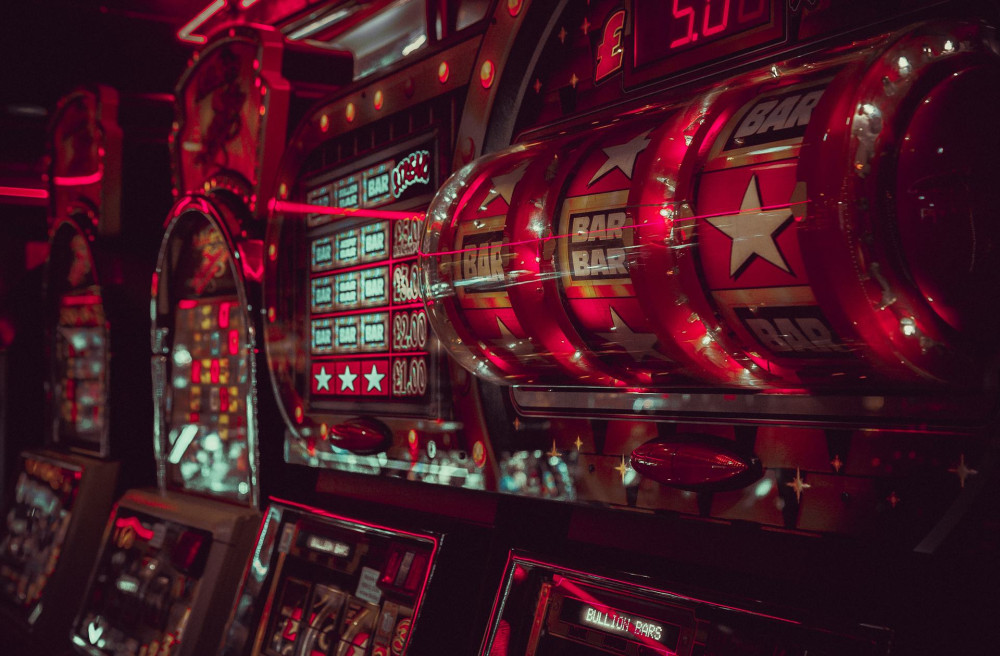
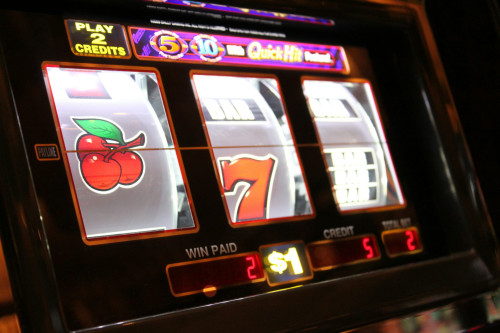
Sound is one of the most powerful tools in game design. In casino games, it’s used to build atmosphere, anticipation, and a sense of reward. The rhythmic spinning of slot reels, the subtle “click” as they slow down, and the celebratory chime when you win are all carefully designed audio cues.
When a player hits a win, the soundscape often explodes with coins clinking, upbeat melodies, and fanfares. These sounds act as small rewards, triggering the brain’s dopamine system and reinforcing the feeling of success. Even modest wins can feel significant because the sound design amplifies the emotional impact.
Modern casino games also use adaptive background music that shifts with the pace of play. If you’ve been spinning for a while, the soundtrack might subtly change to maintain engagement without becoming tiring. It’s a delicate balance between excitement and comfort.
Graphics – More Than Just Eye Candy
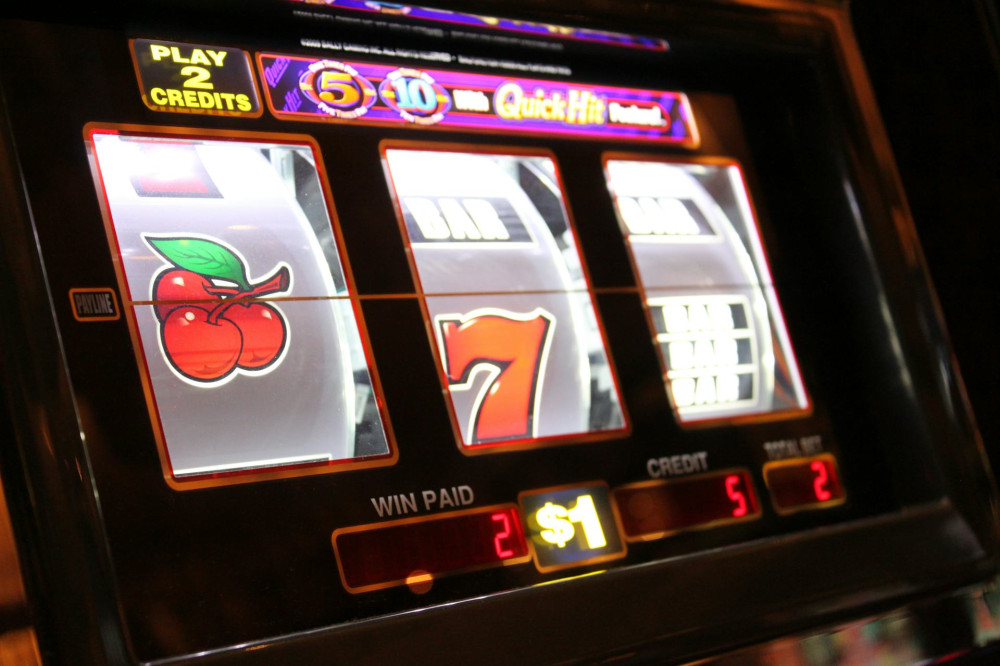
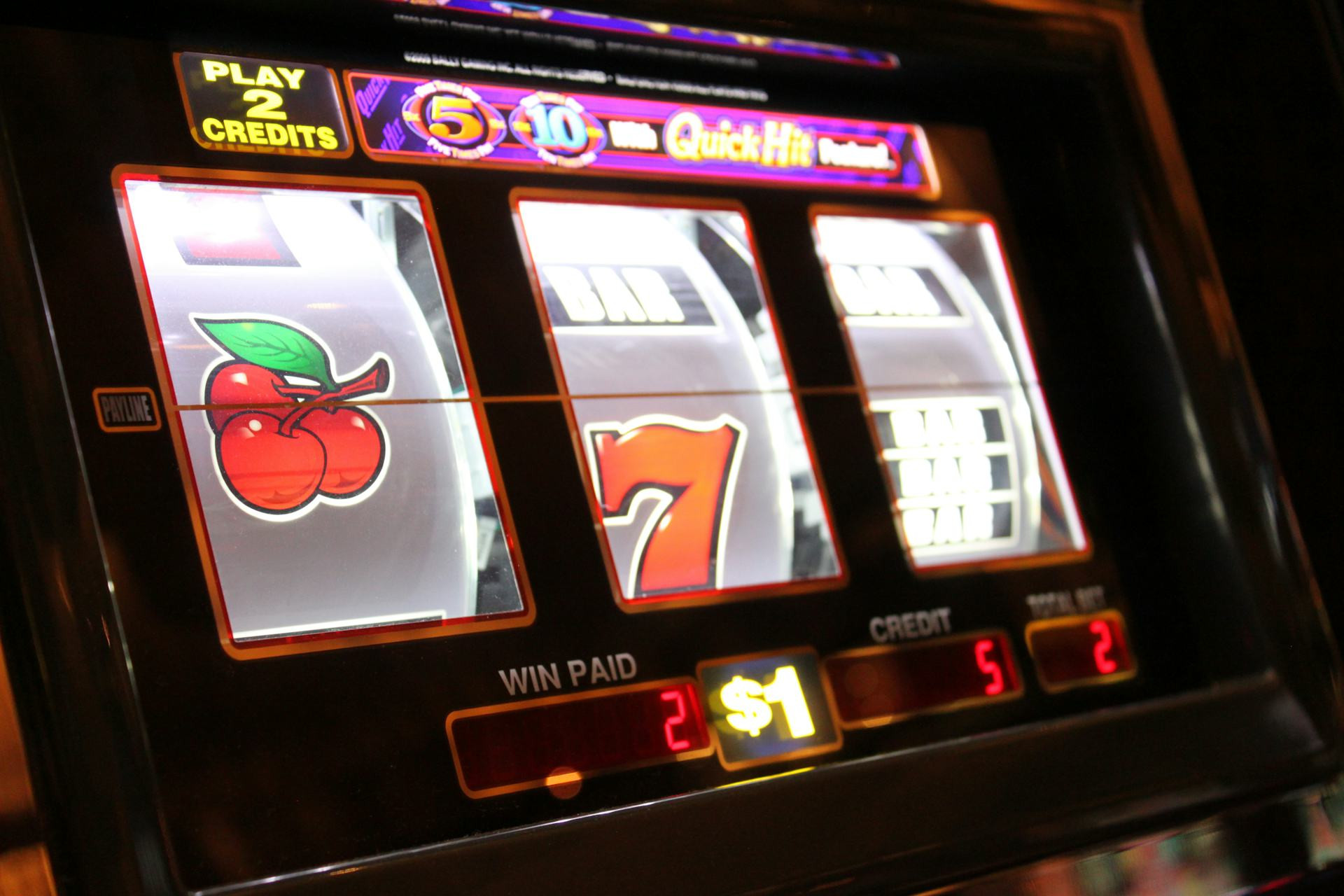
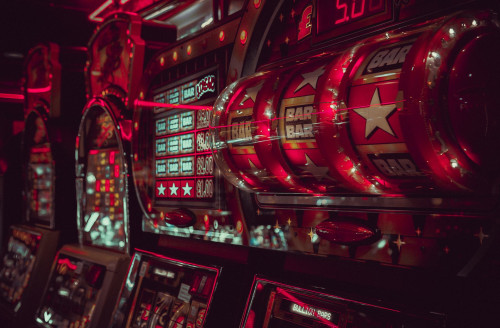
Casino game graphics have evolved dramatically over the past decade. Where traditional slot machines featured simple fruit symbols and bells, today’s games offer richly detailed worlds with 3D animations, characters, and storylines.
Good visual design isn’t just about looking pretty—it’s about creating atmosphere and clarity. A game set in ancient Egypt might use golden tones, hieroglyphs, and desert backdrops, while an underwater adventure might feature shimmering blues and fluid motion.
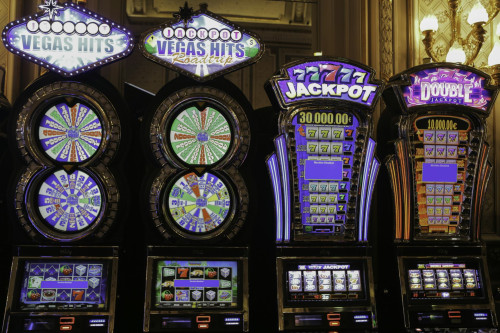
At the same time, the interface must be intuitive. Players should instantly understand what’s happening on screen—where wins appear, how to trigger bonus rounds, and which symbols are most valuable. That’s why graphic artists work closely with UX designers to ensure the experience is both visually appealing and easy to navigate.
Læs også:
The Theme – The Story That Ties It All Together
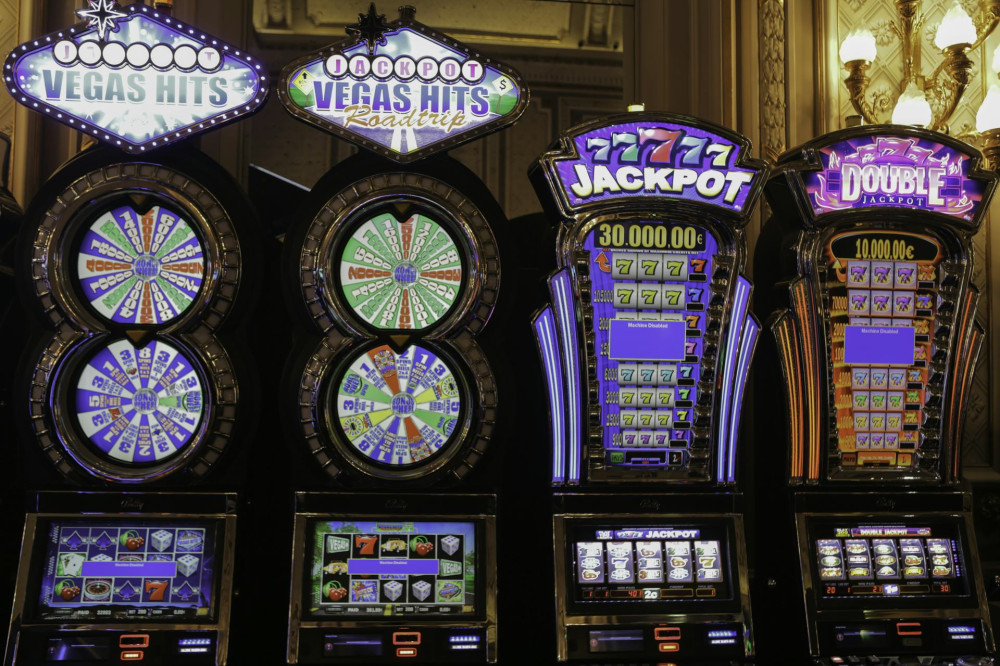
A strong theme is often what makes a casino game stand out. The theme provides a narrative framework that connects the sound and visuals. It can be inspired by mythology, movies, music, or pop culture.
Developers use themes to create a sense of immersion. Instead of simply pressing buttons, players step into a story—perhaps as a treasure hunter, a magician, or a race car driver. The theme gives context to every spin and win, turning a simple game mechanic into an adventure.
The theme also influences the game’s rhythm and tone. A dark, mysterious game might feature deep colors and slow animations, while a festive, party-themed slot uses bright lights and fast-paced beats. The theme becomes the emotional backbone of the experience.
The Interaction of the Senses
What makes the casino experience so engaging is the interplay between sound, graphics, and theme. When all these elements work in harmony, the result is a multisensory experience that draws players in and makes them lose track of time.
Consider what happens when a bonus round is triggered: the lights shift, the music intensifies, and the visuals become more dynamic. This combination creates a sense of progression and excitement—a reward in itself, even before any winnings appear.
This approach is rooted in game psychology, which shows that combining visual and auditory stimuli increases engagement. It’s not just about the potential payout; it’s about feeling part of something thrilling and immersive.
Technology’s Role in the Experience
Modern casino games rely on advanced technology to deliver smoother, more realistic experiences. High-definition graphics, surround sound, and interactive animations make the games feel alive.
Many developers now use adaptive technology that responds to player behavior. If you’ve been playing for a while, the game might subtly adjust its tempo or soundtrack to keep things fresh. Artificial intelligence and data analytics also help developers fine-tune experiences based on how players interact with the game.
Mobile gaming has further transformed the casino landscape. Smaller screens, touch controls, and shorter play sessions require designs that are simple yet captivating. Developers must ensure that sound and visuals remain powerful even on handheld devices.
An Experience That Feels Just Right
Ultimately, the casino experience is about emotion—excitement, anticipation, and entertainment. Developers know that a game can’t just look good; it has to feel right.
That’s why new games undergo extensive testing before release. Designers observe how players respond to sounds, colors, and pacing. Even small adjustments—a slightly softer sound effect or a brighter highlight—can make a big difference in how the game feels.
The engaging casino experience is the result of countless layers of design, technology, and psychology—all working together to create that perfect sense of flow, where the game feels both thrilling and natural.
Læs også: