Play for Fun – Not Too Much: Enjoy the Entertainment and Stay in Control

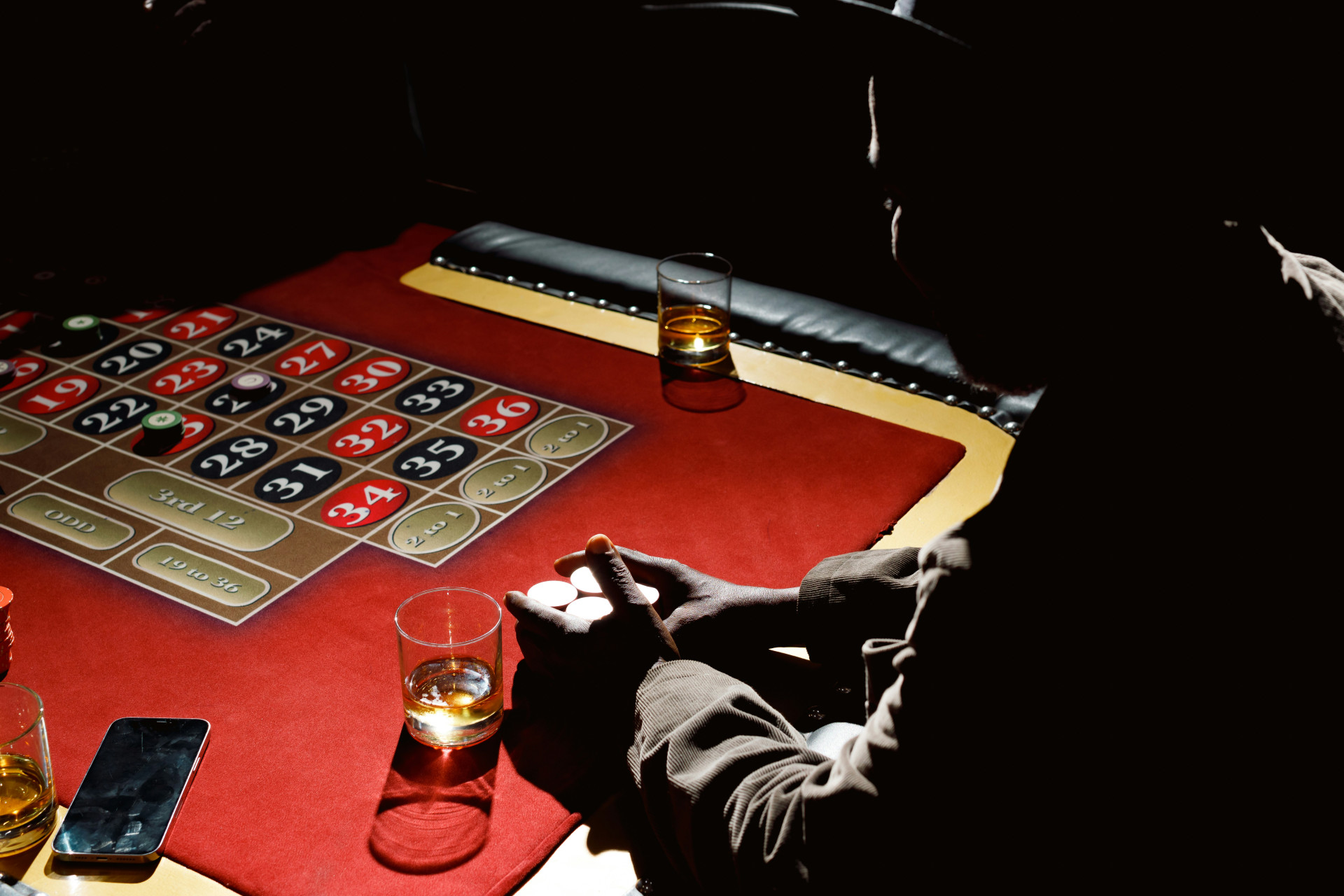
Play for Fun – Not Too Much: Enjoy the Entertainment and Stay in Control
Playing games can be a great way to relax and have fun. Whether it’s a mobile game, a board game with friends, or an online casino, gaming is meant to be entertainment. But sometimes, the line between fun and overdoing it can blur. That’s why it’s important to understand your own habits and know how to stay in control—so gaming remains a positive part of your life.
Gaming Should Be Entertainment – Not an Escape
Most people play to unwind, feel excitement, or connect with others. That’s perfectly normal. But gaming should never become a way to deal with stress, loneliness, or financial problems. When it turns into an escape from real-life challenges, it can start to take more than it gives.
A good question to ask yourself is: Am I playing because I want to, or because I feel like I have to? If it’s often the latter, it might be time to take a step back and look at your habits.
Know Your Limits – and Stick to Them
One of the best ways to stay in control is to set clear limits for both time and money. Here are a few practical tips:
- Set a budget for how much you’re willing to spend—and stick to it.
- Decide on a time limit for how long you’ll play at a time.
- Take breaks—avoid playing when you’re tired, stressed, or under the influence.
Many online gaming and betting platforms in the U.S. offer tools that let you set deposit or time limits. Using these features can help you keep track of your spending and make sure gaming stays fun, not stressful.
Læs også:



Watch for Warning Signs
It’s not always easy to notice when gaming starts to take up too much space in your life. But there are some common signs to look out for:
- You play to win back money you’ve lost.
- You hide how much time or money you spend on gaming.
- You spend more than you planned or skip other activities to play.
- You feel restless or irritable when you’re not playing.
Recognizing these signs early can make a big difference. It doesn’t necessarily mean you have a problem—but it might be a signal that it’s time to make some changes.
Talk About It – and Reach Out for Help if You Need It
Talking about gaming habits can feel uncomfortable, especially if you’re worried about how much you play. But opening up is often the first step toward regaining balance. Share your thoughts with a friend, family member, or counselor.
If you ever feel that gaming or gambling is getting out of hand, there are free and confidential resources available in the U.S., such as the National Problem Gambling Helpline (1-800-GAMBLER). They can connect you with support and guidance—no judgment, just help.
Seeking help isn’t a sign of weakness; it’s a sign of strength and responsibility.
Make Gaming a Positive Experience
When you play mindfully, gaming can be a fun and social activity. It’s all about balance—keeping it enjoyable and in perspective. Try mixing gaming with other hobbies, spending time outdoors, or connecting with friends offline.
And remember: the best game is the one you can walk away from with a smile—no matter if you’ve won or lost.
Læs også: