Fair Play in Bingo: How the Rules Ensure a Level Playing Field for All Players

Fair Play in Bingo: How the Rules Ensure a Level Playing Field for All Players
For many Americans, bingo is more than just a game—it’s a social tradition. Whether it’s played at a local church fundraiser, a veterans’ hall, or on an online platform, bingo brings people together for fun, excitement, and a shared sense of community. But behind the laughter and the thrill of shouting “Bingo!” lies a serious commitment to fairness. The game’s rules and oversight systems are designed to make sure that every player has an equal chance to win.
A Simple Game Built on Chance
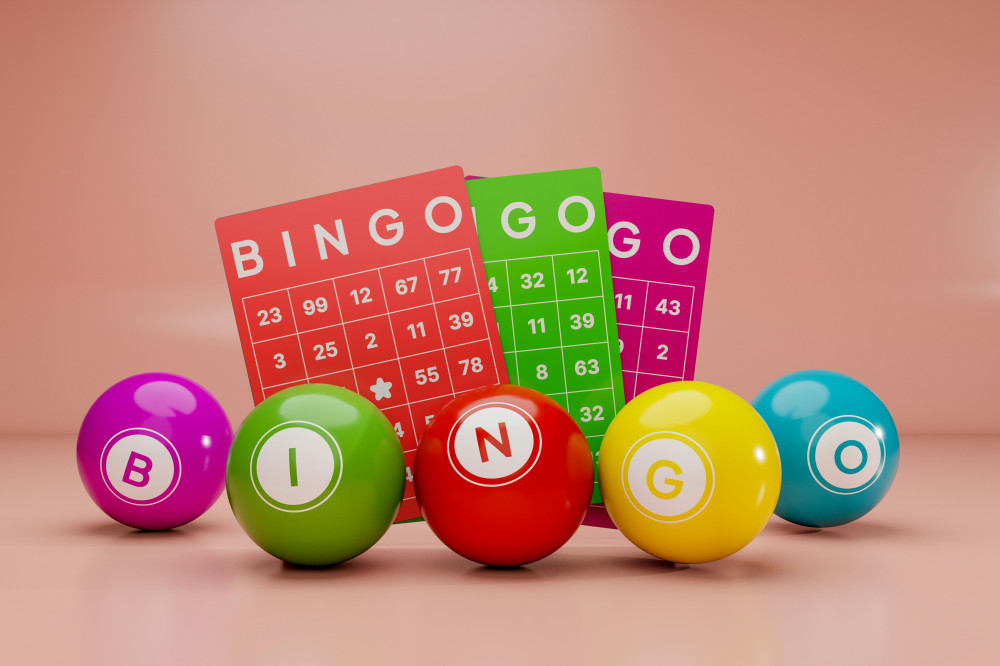
At its core, bingo is a game of chance. Each player receives one or more cards filled with numbers, and as numbers are called, players mark them off. The first person to complete a specific pattern—such as a line, four corners, or a full card—wins the prize.
Because luck determines the outcome, fairness is essential. If any player or organizer could influence the draw, the game would lose its integrity. That’s why bingo, whether played in person or online, follows strict rules and uses carefully controlled systems to ensure that every number drawn is truly random.
How Randomness Is Guaranteed
In traditional bingo halls, numbers are drawn from a cage filled with numbered balls. Each ball is identical in size and weight, and the cage is spun to mix them thoroughly before one is selected. This physical process ensures that no one can predict or manipulate which number comes next.
In online bingo, the physical cage is replaced by a Random Number Generator (RNG)—a computer algorithm that produces numbers in a completely unpredictable sequence. Licensed online bingo operators in the United States are required to have their RNGs tested and certified by independent laboratories. These audits confirm that the system is fair, unbiased, and cannot be tampered with. This technology is the digital guardian of fair play.
Læs også:

Equal Rules for Every Player
Fairness in bingo also depends on consistent rules. Every player must have access to cards generated under the same conditions, with no opportunity to choose “lucky” combinations. In most modern games, cards are automatically created by the system to ensure that all players have equal odds.
The process for declaring a winner is also standardized. In live games, players must call out “Bingo!” before the next number is drawn, and the caller or a floor worker verifies the card. In online bingo, the system automatically detects winning patterns, eliminating human error and ensuring that the rightful winner is recognized immediately.
Oversight, Licensing, and Transparency
Trust is the foundation of fair play. In the U.S., bingo games—especially those run for charitable purposes—are regulated at the state level. Organizers must obtain licenses, follow strict record-keeping rules, and ensure that proceeds are used as intended. Online bingo operators must also comply with state gaming laws and data protection standards.
Transparency is key. In physical games, organizers often have independent monitors or volunteers overseeing the draw. Online, every game is logged and can be reviewed if a dispute arises. These safeguards protect both players and organizers, reinforcing confidence that the game is honest.
Fair Play as a Community Value
Bingo has always been about more than winning prizes—it’s about connection. In towns across America, bingo nights bring together people of all ages and backgrounds. That sense of community depends on trust: trust that the game is fair, that everyone follows the same rules, and that good sportsmanship prevails.
Fair play isn’t just about technology or regulation; it’s also about attitude. Respecting the outcome, congratulating the winners, and enjoying the experience are all part of what makes bingo special. When everyone plays by the same rules, the game remains a joyful, inclusive tradition.
A Game That Thrives on Trust
From church basements to online platforms, bingo has endured for generations because it’s built on fairness and fun. The combination of clear rules, reliable technology, and responsible oversight ensures that every player—whether they’re marking cards by hand or tapping a screen—has the same chance to win.
As long as those principles are upheld, bingo will continue to be what it has always been: a game of luck, laughter, and community, where fair play keeps the spirit of the game alive.
Læs også: