Design and Atmosphere: The Evolution of Casinos Toward a More Sensory Experience


Design and Atmosphere: The Evolution of Casinos Toward a More Sensory Experience
When you step into a modern casino in the United States today, it’s no longer just the flashing lights and ringing slot machines that greet you. The experience has evolved into something far more immersive—an orchestrated blend of design, sound, scent, and technology that aims to engage every sense. Casinos have transformed from simple gaming halls into multi-sensory environments where atmosphere and aesthetics are as important as the games themselves.
From Neon Extravagance to Thoughtful Design
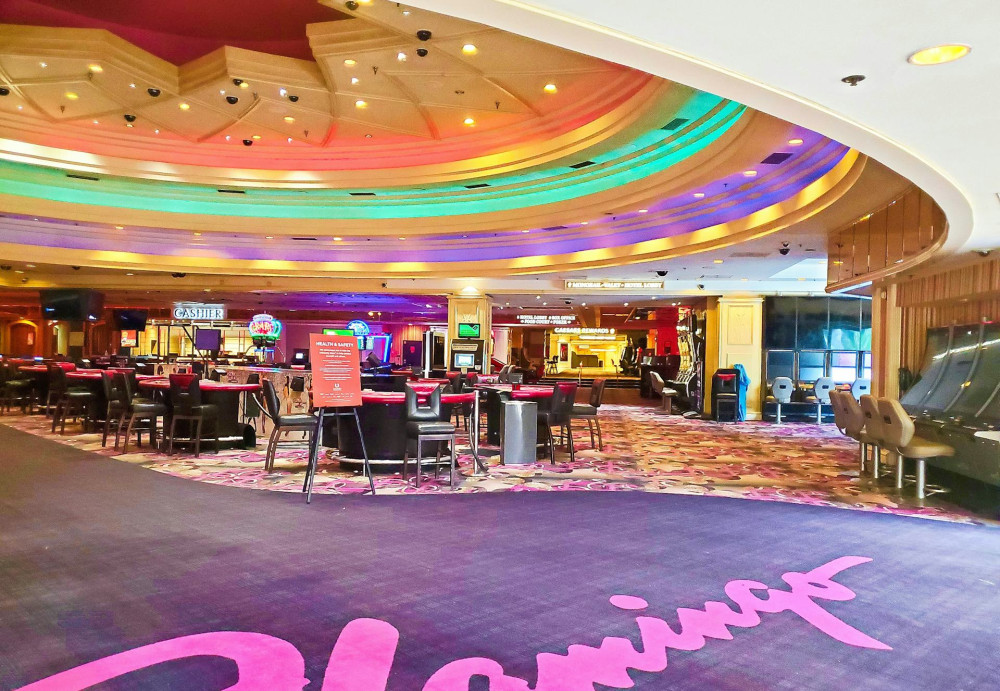
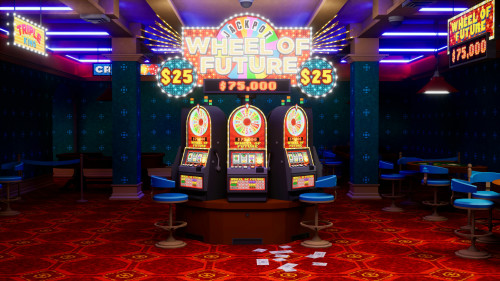
In the Las Vegas of the 1980s and 1990s, casinos were temples of excess. Neon lights, mirrored ceilings, and gold accents dominated the scene, all designed to dazzle and overwhelm. The goal was clear: to project excitement and opulence. But in recent years, the design philosophy has shifted. Many American casinos now favor a more refined, contemporary aesthetic—one that emphasizes comfort, focus, and emotional connection.
Architects and interior designers are turning to natural materials, warm lighting, and open layouts that encourage guests to linger rather than rush. The modern casino is designed to feel inviting and balanced, a place where players can relax, socialize, and enjoy the experience as much as the games themselves.
Læs også:


Engaging the Senses
This evolution reflects a broader trend in the entertainment and hospitality industries: the desire to create experiences that engage all the senses. Sound design, for instance, has become a subtle art. The background music and ambient noise are carefully calibrated to maintain energy without causing fatigue. Similarly, scent marketing has found its way into casino design. A hint of citrus, cedar, or vanilla can evoke comfort and familiarity, reinforcing a casino’s brand identity while enhancing the guest’s emotional response.
Even the textures underfoot and the fabrics on the chairs are chosen with intention. Plush carpets and soft upholstery absorb sound and convey luxury, while color palettes inspired by nature—earth tones, deep blues, and soft greens—create a sense of calm. The result is a sensory balance that keeps guests engaged without overwhelming them.
The Digital Dimension
Online casinos have also embraced this sensory approach. Early digital platforms were purely functional, focused on gameplay rather than atmosphere. Today’s online casinos, however, are designed as immersive digital environments. High-definition graphics, realistic soundscapes, and interactive features replicate the feel of a physical casino.
Live dealer games, where players interact with real hosts via video, have become especially popular in the U.S. market. These experiences blend technology with human connection, creating a sense of authenticity and presence even through a screen. Interface design, color schemes, and animation all contribute to the emotional tone of the experience, making digital gaming more engaging and personal than ever before.
Architecture as Experience
In physical spaces, architecture has become a storytelling tool. American casinos increasingly use design to express identity and place. Some draw inspiration from local culture and landscape—think desert tones and organic forms in Nevada or coastal influences in Atlantic City—while others embrace futuristic minimalism. The casino is no longer just a gaming floor; it’s a destination that integrates restaurants, art installations, spas, and live entertainment into a cohesive experience.
This holistic approach transforms the casino into a world of its own, where every element—from the layout to the lighting—contributes to a sense of wonder and discovery.
Sustainability and Responsibility in Design
A growing number of U.S. casinos are also embracing sustainability and social responsibility as part of their design philosophy. Energy-efficient lighting, recycled materials, and green roofs are becoming more common, not only to reduce environmental impact but also to align with the values of modern guests.
Responsible gaming is another area where design plays a role. Thoughtful spatial planning, lighting cues, and digital reminders can help promote healthy gaming habits and encourage players to take breaks. This integration of ethics into design shows that atmosphere isn’t just about aesthetics—it’s about care and consciousness.
A Holistic Experience
The evolution of casino design toward a more sensory experience reveals a deeper understanding of what draws people to play. It’s not just about winning; it’s about feeling—about being immersed in an environment that stimulates, comforts, and inspires. Whether in a glittering Las Vegas resort or an online platform accessed from home, today’s casinos are designed to speak to the whole person.
In this new era, design and atmosphere are not background elements—they are the experience itself. And in that transformation, the casino industry has become a fascinating intersection of technology, art, and human emotion.
Læs også: